electronic shielding materials
Electronic shielding materials are essential for controlling electromagnetic interference (EMI) and ensuring the reliable operation of modern electronic systems. As devices become smaller and more complex, they are increasingly vulnerable to external electromagnetic fields as well as interference generated by their own components. Shielding materials are engineered to block, reflect, or absorb these unwanted signals across a broad frequency range, from kilohertz to gigahertz.Metals are the most traditional and widely used shielding materials. Copper, aluminum, and steel are common choices because of their high electrical conductivity, which enables them to reflect incident electromagnetic waves effectively. Copper offers excellent shielding performance and corrosion resistance, making it suitable for high‑reliability applications such as aerospace and telecommunications. Aluminum is lighter and often preferred where weight is critical, such as in portable electronics and automotive systems. Steel, particularly when alloyed for magnetic properties, can be used to shield low‑frequency magnetic fields that are not easily blocked by non‑magnetic metals.In addition to solid metal enclosures, metal foils, meshes, and plated coatings are applied directly to housings, cables, and connectors. Conductive gaskets and elastomers, typically filled with metal particles or fibers, are used to maintain electrical continuity at seams and joints while also providing environmental sealing. These solutions help construct a continuous shielding “envelope” around sensitive circuits, minimizing gaps where interference could leak in or out.Polymer‑based composite materials have become increasingly important as electronics move into flexible, wearable, and lightweight applications. By embedding conductive fillers such as carbon black, carbon nanotubes, graphene, or metal flakes into plastic matrices, it is possible to produce films, sheets, and molded parts that combine mechanical flexibility with EMI shielding capability. Such composites can be tuned for specific conductivity levels, frequencies, or mechanical properties, and they offer advantages in processing, weight reduction, and design freedom.Textile‑based shielding materials are another emerging category. Fabrics woven or coated with conductive fibers, including metalized yarns or conductive polymers, are used in protective garments, soft enclosures, and architectural applications. These materials enable the creation of shielding tents, curtains, and linings that can be deployed quickly and shaped around irregular objects. They are particularly useful in temporary test setups, field measurements, or environments where rigid enclosures are impractical.At higher frequencies, particularly in the microwave and millimeter‑wave ranges, absorption becomes more important than simple reflection to prevent internal resonances and secondary interference. Absorbing materials incorporate lossy fillers such as ferrites or specialized carbon structures to convert electromagnetic energy into heat. These materials are applied as tiles, coatings, or foams inside enclosures, anechoic chambers, and around antennas to control reflections and shape radiation patterns.Designing effective electronic shielding requires careful selection and integration of materials, taking into account factors such as frequency spectrum, required attenuation level, mechanical constraints, weight, cost, and environmental conditions. As 5G, high‑speed digital interfaces, and dense power electronics continue to proliferate, the demand for advanced shielding materials with tailored performance, lower weight, and improved sustainability will continue to grow.
제품
범주:
-
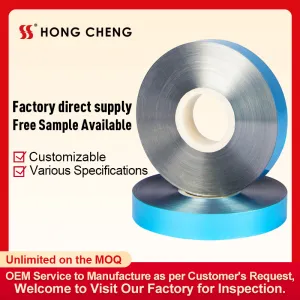
Aluminum foil for Cable shielding AL+PET(Single side blue color small coil)
분류: Cable Aluminum Foil조회수: 13번호:릴리스 시간: 2026-03-19 15:09:37 -
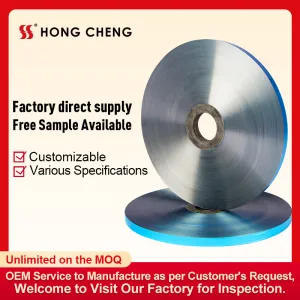
Aluminum foil for Cable shielding AL+PET(Single side blue color)
분류: Cable Aluminum Foil조회수: 24번호:릴리스 시간: 2026-03-19 15:14:03 -
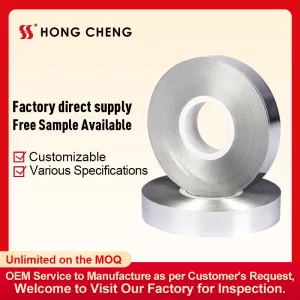
Aluminum foil for Cable shielding AL+PET(Single side silver color small coil)
분류: Cable Aluminum Foil조회수: 9번호:릴리스 시간: 2026-03-19 15:17:23 -
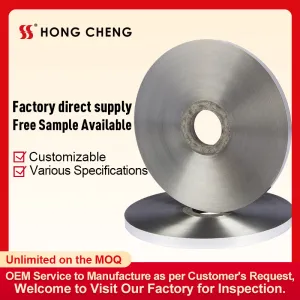
Aluminum foil for Cable shielding AL+PET(Single side silver color)
분류: Cable Aluminum Foil조회수: 13번호:릴리스 시간: 2026-03-19 15:19:36 -
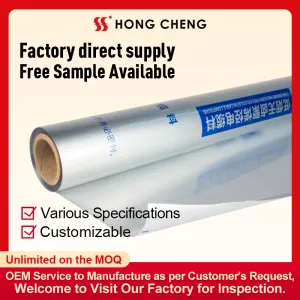
Aluminum foil laminated foil for Cable PET+AL+PA+PE
분류: Packaging Materials조회수: 3번호:릴리스 시간: 2026-03-19 16:14:47 -
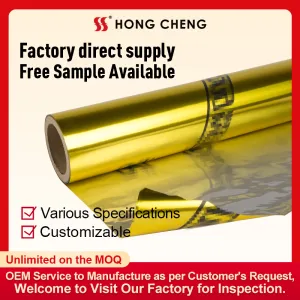
Soundproof damper foil AL+PET
분류: Thermal Insulation Materials조회수: 14번호:릴리스 시간: 2026-03-19 17:09:04
뉴스
범주:
검색 결과가 없습니다!
케이스
범주:
검색 결과가 없습니다!
비디오
범주:
검색 결과가 없습니다!
다운로드
범주:
검색 결과가 없습니다!
모집
범주:
검색 결과가 없습니다!
추천 제품
검색 결과가 없습니다!